Community Residential Setting (CRS)
What is a Community Residential Setting (CRS)?
Navigating the Evolving Landscape of Healthcare and Independent Living
As an experienced healthcare law specialist, I’ve seen how transformative Community Residential Settings (CRS) can be for individuals with disabilities, mental illness, or chemical dependency. In this blog post, we’ll explore what CRS are, the regulatory framework in Minnesota, and their role in the healthcare continuum.
Defining Community Residential Settings (CRS)
Community Residential Settings (CRS) are licensed healthcare facilities that provide 24-hour residential services and support to individuals with diverse needs, helping them live as independently as possible. These settings range from small group homes to larger supervised living facilities, all aimed at fostering independence, integration, and a better quality of life.
The Regulatory Landscape of CRS in Minnesota
CRS in Minnesota are governed by a complex regulatory framework established by the Minnesota Department of Human Services (DHS) and the Minnesota Department of Health (MDH). Key areas include:
Licensing and Certification: Providers must obtain licenses and certifications to ensure they meet care and safety standards. This generally starts with county approval.
- Staffing Requirements: Adequate, qualified staff must be employed, with thorough training and background checks.
- Program and Service Delivery: Comprehensive care plans and services must be tailored to individual needs.
- Health, Safety, and Environmental Standards: Strict adherence to standards for infection control, medication storage, and emergency preparedness is required.
- Resident Rights and Protections: Ensuring privacy, freedom from abuse, and participation in service plans.
- Oversight and Monitoring: Regular inspections and audits by DHS and MDH to maintain compliance.
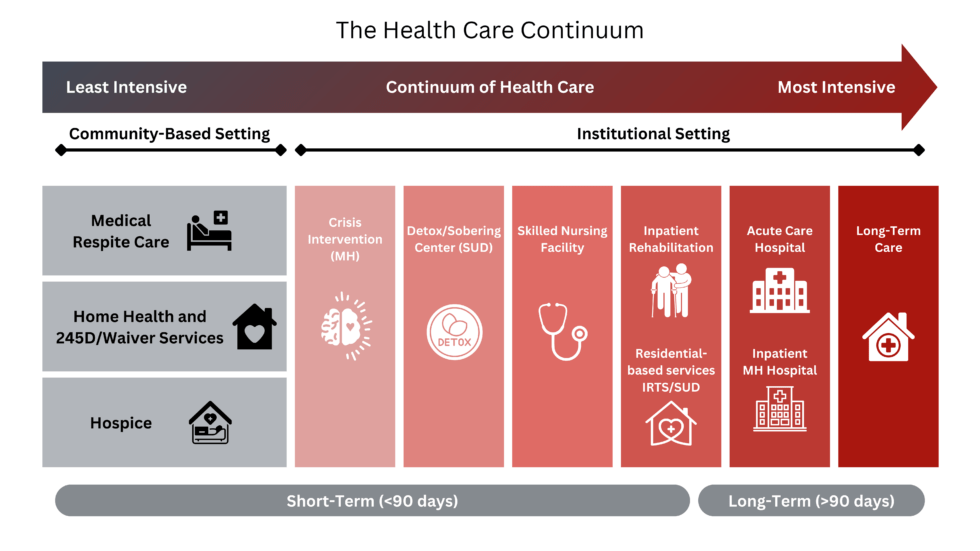
The Critical Role of CRS in the Healthcare Continuum
CRS serve as a vital link between hospital, clinic, and home-based care, offering numerous benefits:
- Reducing Unnecessary Hospitalizations: Addressing health and social needs to manage chronic conditions and avoid hospital admissions.
- Facilitating Successful Transitions: Helping individuals transition from hospital or institutional settings back into the community.
- Promoting Independent Living: Empowering individuals to develop skills for greater independence.
- Enhancing Quality of Life: Improving physical, mental, and emotional health, and increasing social engagement and community integration.
Navigating the Diverse Landscape of CRS in Minnesota
CRS in Minnesota come in various forms, including:
- Group Homes: Small, community-based facilities serving 4-16 residents.
- Supervised Living Facilities (SLF): Providing a higher level of care for those with complex needs.
- Customized Living Settings: Offering individualized support in a home-like environment.
- Residential Programs: Specialized services for mental health, chemical dependency, or developmental disabilities.
The Holt Law Advantage: Guiding Clients Through the CRS Landscape
At Holt Law, we help clients navigate the complex regulatory landscape of CRS in Minnesota:
- Getting County Approval: Each county has a unique approval process.
- Ensuring Compliance and Mitigating Risks: Helping clients meet licensing and regulatory standards.
- Advocating for Resident Rights and Protections: Ensuring residents’ rights and addressing issues of abuse or neglect.
- Facilitating Successful Transitions and Partnerships: Building strong partnerships with healthcare providers and community organizations.
- Driving Innovation and Best Practices: Staying ahead of new regulations, technologies, and care models.
Conclusion: Embracing the Future of CRS in Minnesota
Community Residential Settings (CRS) are crucial in empowering individuals, strengthening communities, and transforming the healthcare landscape in Minnesota. By understanding and navigating the regulatory requirements, healthcare providers can ensure high-quality, person-centered care for residents.
At Holt Law, we are committed to guiding our clients through these complexities, ensuring compliance and advocating for excellence in care. Whether you’re a CRS provider, healthcare professional, or family member, we’re here to help you navigate the CRS landscape and achieve the best outcomes for those you serve. This is a newer program in Minnesota and there are fewer providers. Regardless, Holt law assists in this area and is happy to get you approved in CRS as a provider to serve your community.